.png)
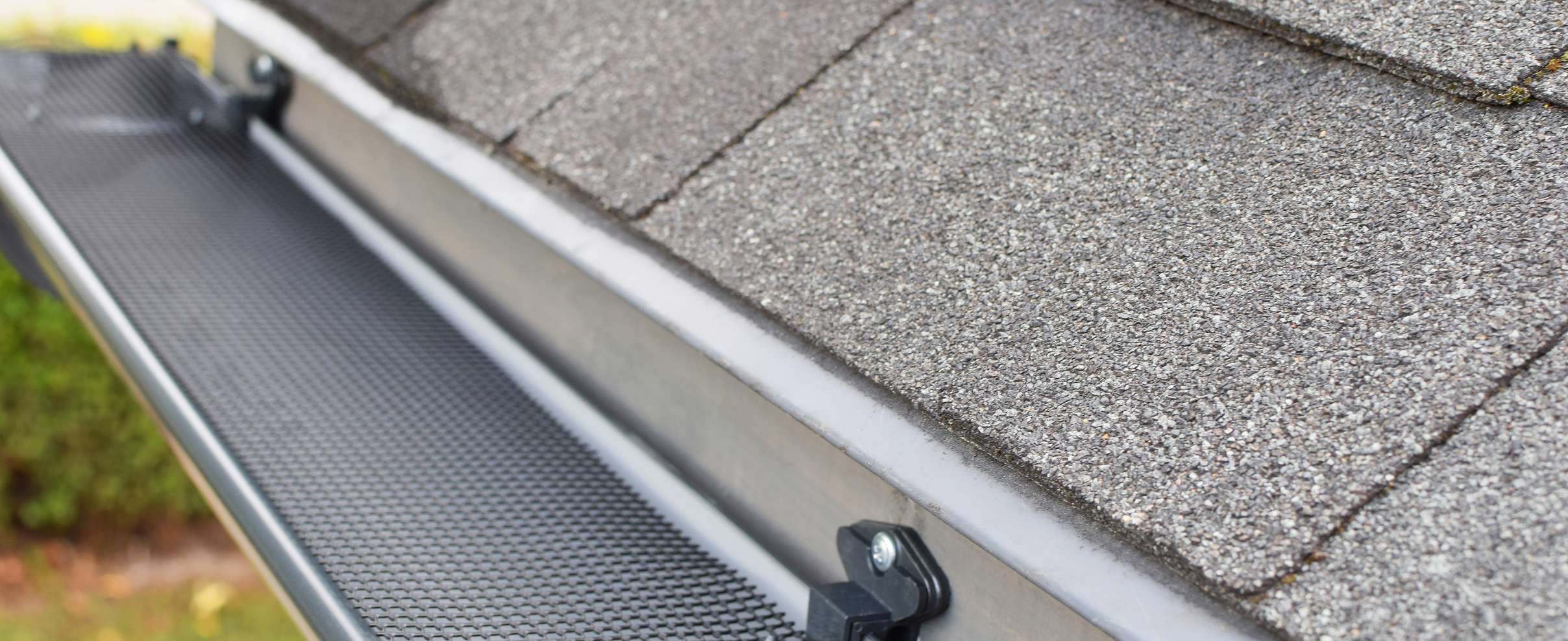
Gutter Guards in Connecticut: Do They Really Work?
Here’s the honest Connecticut answer: some gutter guards work really well, some barely help, and none are truly “maintenance-free.” The right guard can reduce gutter cleaning, prevent downspout clogs, and protect your fascia and foundation, especially if your home sits under a heavy tree canopy. But the wrong guard (or the right guard installed on a bad gutter system) can create new problems, especially in CT winters.
This guide covers what gutter guards can and can’t do, which types work best in Connecticut, actual costs, how they interact with ice dams, and whether they’re worth it for your property.
Want a quick assessment of your gutters (pitch, seams, downspouts, and tree load) and a clear recommendation? Start here: Request a Free Quote. Explore services: Services · See work: Gallery
Section 1: Why Gutter Performance Matters More Than Most CT Homeowners Think.
Gutters aren’t just a “nice-to-have.” In Connecticut, your gutter system protects:
- Roof edges (prevents rot at fascia/soffit)
- Siding and trim (reduces splash-back and staining)
- Foundation (moves water away to reduce seepage and basement moisture)
- Walkways and steps (prevent icing from overflow)
- Landscaping (prevents erosion channels)
When gutters fail, the damage shows up later:
- rotted fascia boards
- peeling trim paint that won’t stop peeling
- basement dampness after heavy rain
- ice hazards at entryways
- mold risk from repeated moisture exposure
So the gutter guard question isn’t just “do they keep leaves out?” It’s really:
Do they keep water moving where it should go, without creating new problems?
Section 2: What Gutter Guards Can Do (and What They Can’t)
Gutter guards CAN:
- Reduce the buildup of large leaves and roof debris.
- Reduce the frequency of full cleanouts.
- reduce downspout blockages (depending on system)
- help keep gutters flowing during the spring rain season
- lower risk of overflow at moderate debris levels
Gutter guards cannot eliminate all maintenance; inspections are still needed, and some debris may still enter. They also cannot correct existing gutter issues or prevent ice dams, which are due to attic conditions.
- Stop all debris (pine needles, shingle grit, seed pods) from happening.
- Fix improper gutter pitch or sagging gutters.
- fix leaking seams or loose hangers
- cure ice dams (ice dams are mostly attic ventilation/insulation/air sealing issues)
In other words, guards are a tool, not a replacement for a properly functioning gutter system.
Section 3: Connecticut Debris Types (This Determines Which Guard Works)
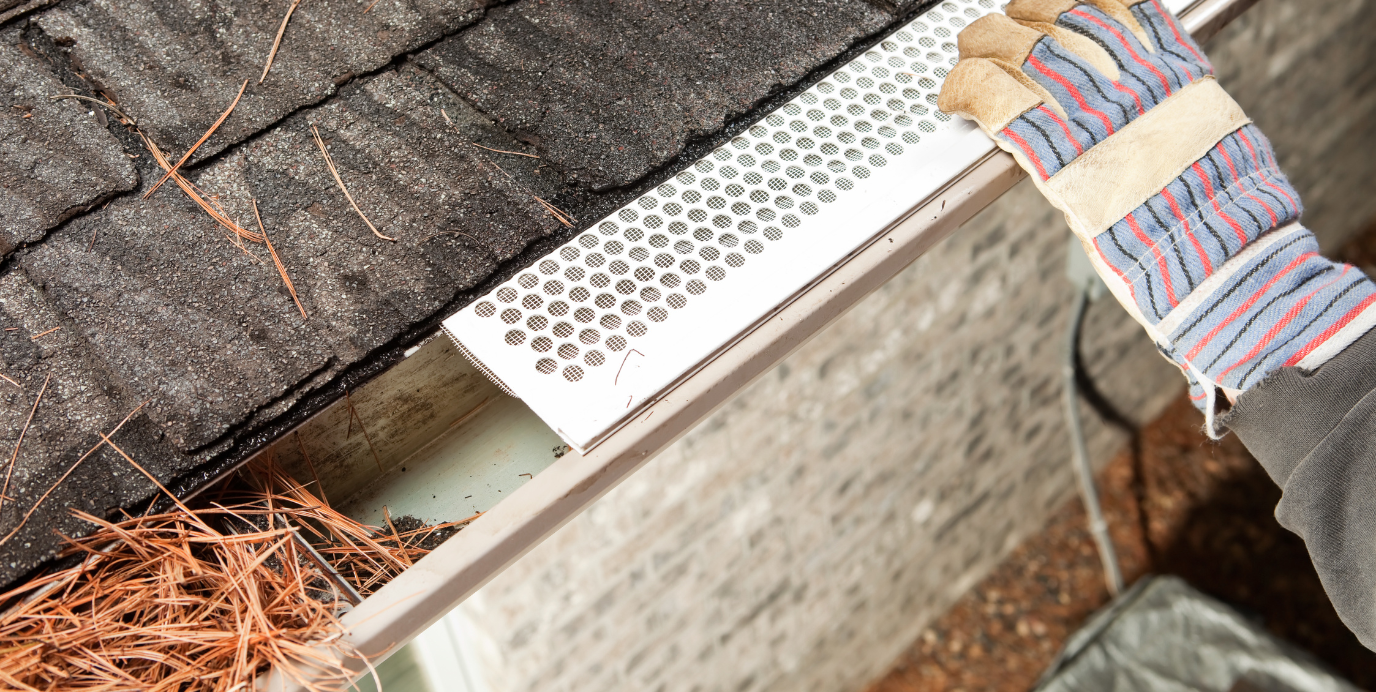
Connecticut homes deal with different debris depending on the tree cover:
- Maple/oak leaves: big, easy for good guards to block
- Pine needles: thin, notorious for slipping through cheap guards
- Helicopter seeds (maples): can wedge into screens
- Shingle grit: fine granules that settle over time in most systems
- Moss and small twigs: common under heavy shade
If you have many pines or seed pods, choose a guard that handles fine debris, not just leaves.
Section 4: Types of Gutter Guards (Which Ones Work Best in CT)
1) Micro-Mesh (Often the Best Overall in Connecticut)
What it is: fine stainless or aluminum mesh that blocks most debris while letting water in.
Pros
- strong leaf protection
- blocks many small debris types
- Good for mixed tree cover
- Usually, the best “reduced cleaning” solution is when it is installed correctly.
Cons
- still requires seasonal checkups
- can accumulate surface debris on top that needs brushing off
- Performance depends heavily on correct installation and roof edge interface.
CT fit: Excellent for most homes, especially those with leaves and some needles.
2) Standard Screen Guards (Budget Option)
What it is: larger holes than micro-mesh.
Pros
- affordable
- easy to install
- blocks big leaves well
Cons
- pine needles and small debris can pass through
- Screens can warp and lift over time.
- may still require frequent cleaning, depending on the trees
CT fit: Best for homes with large leaves, not heavy pine needles.
3) Surface-Tension / Reverse-Curve Guards
What it is: a curved hood that tries to let water wrap into the gutter while debris slides off.
Pros
- can shed large leaves
- less prone to direct clogging
Cons
- can struggle in very heavy rain or with certain roof pitches
- may allow water to overshoot in downpours
- It can be tricky around valleys and complex rooflines.
- not always ideal with seed pods and fine debris
CT fit: Some homes do well; others don’t. Roofline geometry matters.
4) Foam Inserts (Not Ideal Long-Term)
Pros
- cheap
- fast install
Cons
- can trap debris in the foam
- breaks down over time
- can become a moss/fungus hold zone in shaded CT gutters
CT fit: Not recommended for long-term use.
5) Brush Inserts
Pros
- simple concept
- blocks big debris
Cons
- can trap grit and small debris
- can hold moisture
- can become messy and hard to clean
CT fit: Usually not the best choice if you want “low maintenance.”
Section 5: The #1 Reason Gutter Guards “Don’t Work” in Connecticut
Most complaints come from this:
Guards were installed on gutters that were already failing.
Common underlying issues:
- gutters pitched the wrong way
- sagging sections that hold standing water
- downspouts partially clogged
- seams leaking
- Gutters are too small for the roof runoff volume.
- water dumping too close to the foundation due to short downspouts
If your gutter system isn’t working, guards won’t fix it. Sometimes, guards can hide problems until they get worse.
Best approach:
- Clean the gutters fully.
- Fix pitch/hangers/seams.
- Confirm downspout flow
- Extend discharge away from the foundation.
- Then install guards
We do this full approach so you get results, not gimmicks. Services · Contact
Section 6: Connecticut Winter Reality, Ice Dams and Gutter Guards
A common CT question: Do gutter guards prevent ice dams?Not directly.
Ice dams happen when:
- attic heat melts snow
- meltwater runs to the cold eaves
- water refreezes and forms a dam
- Backup water pushes under shingles.
Guards can affect winter in a few ways:
How guards can HELP
- cleaner gutters can drain meltwater better in the early season
- Reduced debris means fewer blockages when freezing starts.
How guards can HURT (if your home already has ice dam issues)
- Ice can form over mesh and create an “ice shelf.”
- If the gutter pitch is wrong, ice buildup worsens.
- If attic heat loss is high, meltwater will still refreeze regardless of guards.
Real ice dam prevention is inside the house:
- attic air sealing
- proper insulation
- soffit baffles
- ventilation balance
- targeted heat cables only when appropriate
If you’ve had ice dams, ask us for a roof-edge and attic strategy. Contact
Section 7: Real Costs in Connecticut (What Impacts Price)
Pricing varies because gutter systems vary. Cost drivers include:
- linear footage of gutters
- single-story vs multi-story access
- complex rooflines (valleys, dormers)
- debris type (needle-heavy homes may need micro-mesh)
- whether the gutters need repairs first
- downspout quantity and discharge routing
Important: If you buy guards but don’t fix:
- sagging hangers
- leaking seams
- improper pitch
You’re likely wasting money.
We provide an itemized quote: clean + fix + protect, with clear options. Request a Free Quote
Cost isn't the only reason to install guards. Let's discuss who truly benefits from gutter guards in Connecticut homes.
Great candidates
- homes with moderate-to-heavy leaf drop
- homeowners who don’t want ladder risk
- properties with gutters that are hard to access
- people who want fewer cleanouts per year
- Anyone with basement moisture issues tied to overflow
Not ideal candidates (without special planning)
- pine-needle-heavy properties
- homes with chronic ice dams (needs attic fixes first)
- Failing gutters that need replacement before guard installation
- rooflines with severe valleys dumping debris directly into gutters
If you’re unsure, we can inspect and recommend the best setup for your property. Contact
Section 9: The Best “CT Gutter Guard Plan” (What We Recommend)
This is the approach that works reliably:
- Full gutter clean-out + downspout flush
- Repair pitch/hangers/seams
- Extend downspouts 6–10 feet away from the foundation.
- Install a micro-mesh or an appropriate guard system, depending on the tree debris.
- Seasonal check (usually a quick top brush-off in late fall)
When done correctly, guards reduce the need for full cleanouts and prevent overflow-related damage. When done wrong, you pay twice.
Section 10: Maintenance Reality (Yes, Even With Guards)
Even the best guards still need:
- quick visual checks after big storms
- top-side debris brushing in heavy leaf season
- occasional downspout checks
The benefit is that you reduce the dangerous ladder work and the heavy sludge cleaning inside gutters.
FAQs
Do gutter guards eliminate gutter cleaning?No. They reduce frequency and intensity, but yearly checks are still smart.
Which gutter guards work best in Connecticut?Micro-mesh is often the best overall choice, especially for mixed debris.
Will guards help with basement moisture?Yes, if your issue is gutter overflow or water dumping too close to the foundation.
Do gutter guards prevent ice dams?Not directly. Ice dam prevention is mainly insulation, air sealing, and ventilation.
Can you install guards and also fix the gutters?Yes. That’s the best way to do it.
Ready for Gutters That Actually Work?
For fewer clogs, safer maintenance, and better protection for your roofline and foundation, we’ll recommend and correctly install the right system for your specific tree cover and roofline.
Call us today to get a free quote.
Carpentry & Handyman Concepts
Explore: Services
Learn more: About
Start Planning Your Project With A Free Quote!
Book Your Free EstimateRead our latest blog


Flexible Financing With Klarna
We’ve partnered with Klarna to make your next project stress-free. Split your payments into easy installments, enjoy transparent pricing, and get the home upgrades you need now, without waiting.
.png)
Customer Reviews
"Thank you so much, I am very pleased with your work. All of the doors look great. I appreciate your suggestion to do all of the doors, including the inside doors. Much more elegant. You have a great team."

-Susan K.
"Dave was very easy to work with and his prices were reasonable. He would come by to check on his crew and the job. I would definitely recommend Carpentry and Handyman Concepts."

-Kathy L.
"David, and his team are highly skilled pro’s and very knowledgeable about the business, they do an excellent job! I highly recommend them if you are in need of Carpentry And Handyman services."

-Blaine B.
"I would highly recommend Dave from Carpentry and Handyman Concepts. They were efficient, professional, and very knowledgeable. I will definitely have them back at my house for my next project."

-Ashley R.
"Dave and his guys did a great job on a couple of jobs I needed done. So great that I’ve already referred them to someone else! I will definitely be using them again."

-Pam F.
"I would hire David Grecco again in a heartbeat. They were professional, experienced, and good people. I will definitely use him again! Thank you, Linda"

-John O.

Our Location & Business Information
Proudly serving Fairfield County, CT, including Norwalk, Westport, New Canaan, Darien, and Wilton. We deliver licensed, insured, and reliable carpentry, remodeling, and handyman services.